 China is widely recognised as the birthplace of tea.
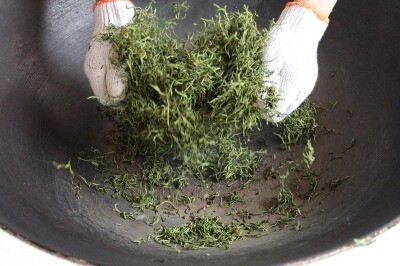
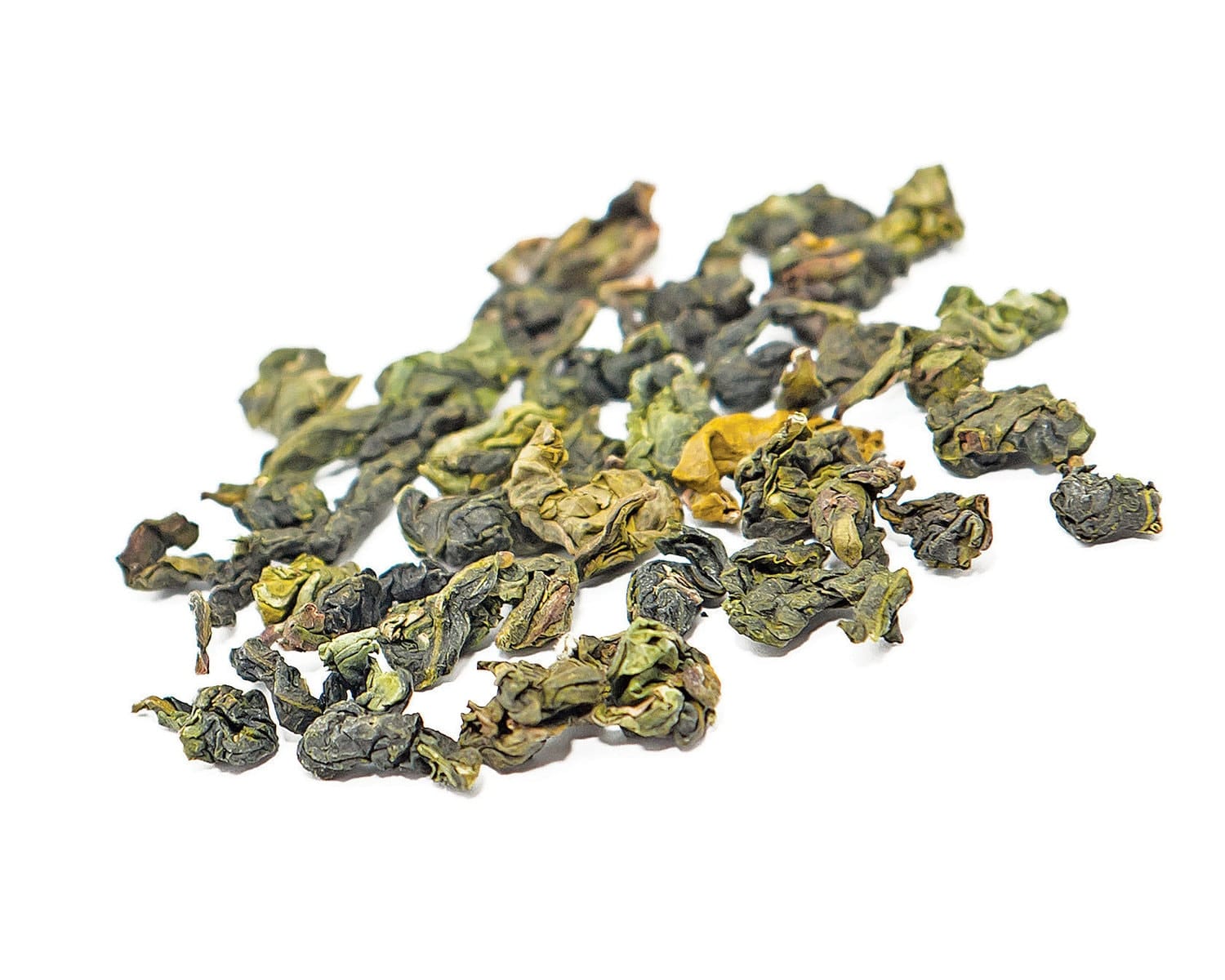
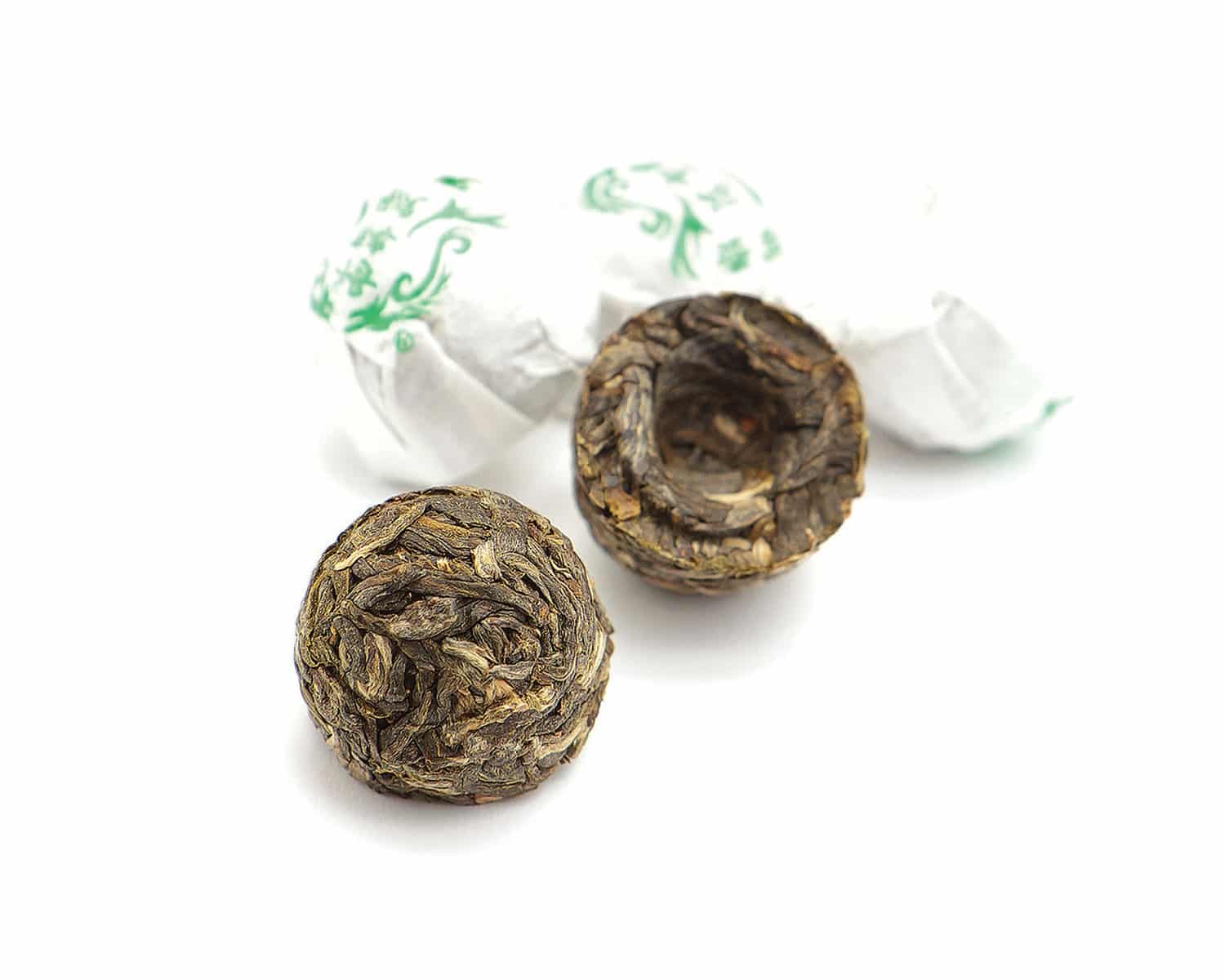
It was there that growers and tea makers developed expertise in cultivating and preparing many varieties prized for their quality, wonderful taste and aroma.
Centuries passed before tea production spread to other parts of the world. New producers did not yet possess the same depth of experience or knowledge of Chinese techniques. Much of the growing international market was satisfied with affordable tea of ordinary quality, giving producers an incentive to focus on low costs and high volumes.
Large, relatively flat areas could be cultivated by machine to produce huge quantities of inexpensive tea. The resulting mass-market product was quite different from the carefully selected Chinese teas known for their distinctive tastes and aromas.
Packaging may emphasise quality leaves and hand-picking, but a uniform flavour that barely changes from season to season often reflects large-scale blending and mechanised production. Traditionally made Chinese teas, by contrast, can vary from year to year, revealing subtle differences in their harvest and processing. As global demand increased, China too expanded mechanised production of lower-priced tea to compete internationally.
Nevertheless, there are still Chinese gardens producing outstanding teas using traditional methods of hand-picking and careful processing passed down through generations. These teas are not made in enormous quantities, and only part of the harvest reaches selected specialist outlets abroad. These are the Chinese teas we offer, together with information about their history, production methods and preparation. Our guides know Chinese producers and suppliers personally and have extensive experience teaching the art of making tea.