
Fresh tea leaves contain many naturally occurring compounds, including antioxidants, amino acids, minerals and a range of vitamins such as A, B1, B2, B5, B11, B15, C, D, E and PP. It is little wonder that tea has long been valued in traditional culture. The composition of a fresh leaf should not, however, be confused with the nutrients supplied by a brewed cup.
Complex biochemical changes occur as raw leaves become finished tea. Processing alters their composition, and some compounds present in the unprocessed leaf are lost.
White tea undergoes relatively few processing steps. Freshly picked leaves are gently withered, often spread in a thin layer outdoors for two or three days, then dried in the sun or in dryers supplied with warm air. Drying reduces moisture to about 5% and stabilises the finished tea.
This short, gentle treatment preserves many of the leaf’s natural compounds. White tea is made from young, tender leaves and buds, traditionally picked in early spring. It contains catechins, including epigallocatechin gallate, or EGCG. Older promotional accounts compare its laboratory antioxidant activity with vitamins C and E or orange juice, but those comparisons do not establish equivalent effects in the human body. White tea is enjoyed for its delicate character; claims that it prevents cancer, reverses ageing or treats disease should not be treated as established medical benefits.
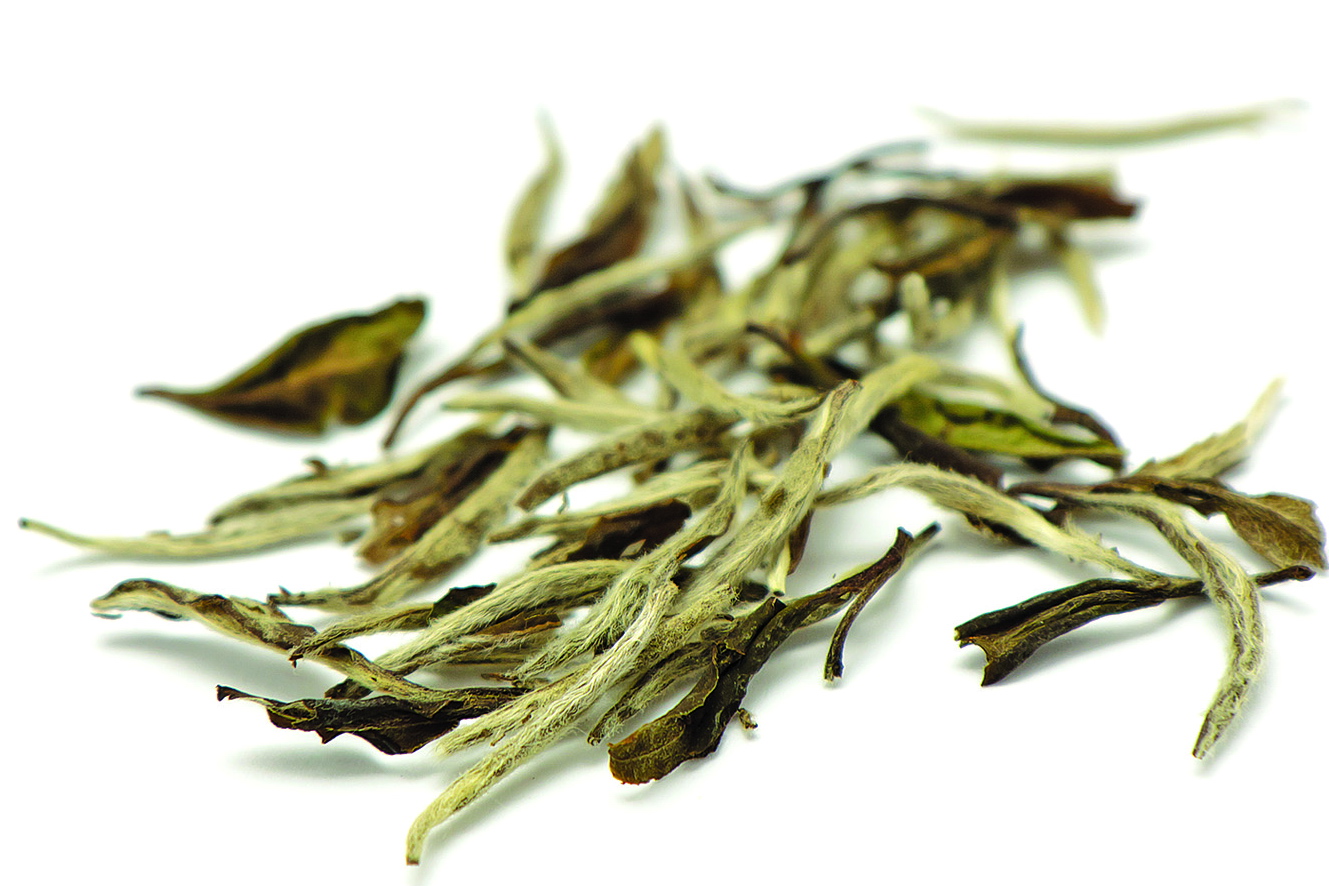
For more than ten years, iTea has supplied Chinese tea to customers in Israel. Its collection includes one of the best-known white teas, Bai Mu Dan (‘White Peony’), grown and produced in Fujian province. Tea lovers will find leaves in an almost natural form in iTea packaging and can appreciate White Peony’s fresh spring aroma and delicate, slightly sweet flavour. Another highly prized white tea is Bai Hao Yin Zhen (Silver Needle), a fine white tea for enthusiasts. It is not a mass-market product, but can be found in the iTea online shop. Only the youngest top buds are selected, covered in the silvery down called bai hao, which gives the tea its name: ‘white-haired silver needles’.
Traditional Chinese accounts celebrated white tea as an ‘elixir of immortality’ and associated it with the imperial table. Today, you do not need to belong to an imperial court to discover its distinctive qualities: you can explore the iTea online shop.