Interesting facts about tea
Four familiar tea groups are green tea, white tea, oolong and black tea.
China produces hundreds of different teas. Their differences reflect not only processing, but also the growing region, cultivation methods and the age and variety of the plant.
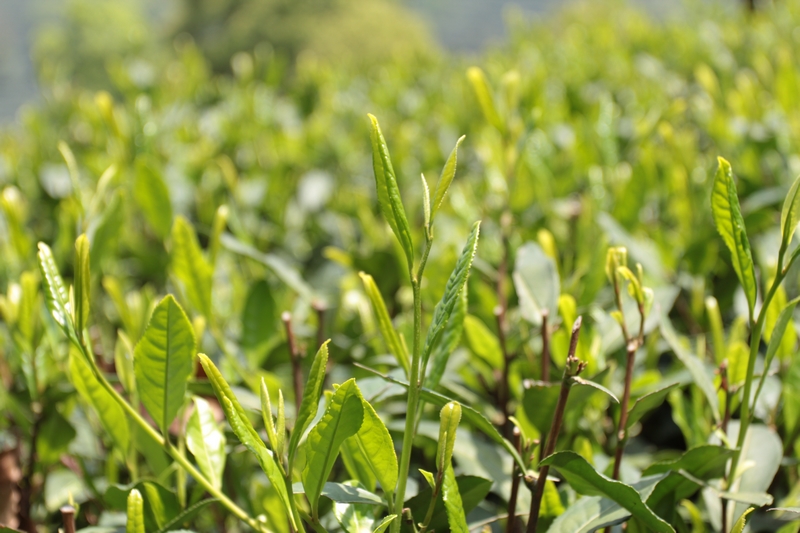
Tea processing involves many stages. For green tea, heating is carried out soon after picking to deactivate the enzymes responsible for oxidation. This stage is called sha qing, often translated as ‘kill-green’. Small changes in processing produce teas with different characteristics, flavours and appearances. By limiting oxidation early, green tea retains a distinctive composition of catechins and other leaf compounds.
Antioxidants and the composition of green tea
Green and black teas contain different mixtures of polyphenols because they undergo different processing. A single fixed comparison, such as ‘six times more antioxidants’, cannot describe every tea and brewing method.
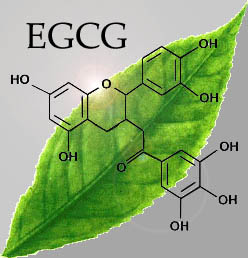
EGCG is one of the best-studied catechins in green tea. Laboratory antioxidant comparisons with vitamins C and E do not directly predict health effects in people.
Green tea can contribute natural plant compounds to the diet, but it is not nutritionally interchangeable with a serving of broccoli, spinach, carrots or strawberries. The original article’s comparisons with these foods should not be taken as a dietary equivalence.
Green tea and inflammation research
Research has examined how green tea compounds interact with inflammatory processes, including signalling involving cytokines, a group of proteins involved in immune responses. Laboratory findings about these mechanisms do not establish that a cup of green tea prevents or treats inflammatory disease or cancer.
Green tea and smoking: tea does not cancel the harm of tobacco
Tobacco smoke contains reactive substances that contribute to oxidative stress and inflammation. The original article discusses nitric oxide and peroxynitrite in this context. Drinking green tea does not neutralise the health risks of smoking and should not be presented as protection against them.
Green tea and body weight

Catechins and caffeine have been studied in relation to body weight and fat metabolism. Any effect is generally modest and varies between products, studies and individuals.
The mechanisms discussed in research include the following:
- Possible effects of catechins on energy metabolism and the handling of body fat;
- The combined effects of EGCG and caffeine on energy expenditure and body-weight measures;
- Changes in fat oxidation and energy expenditure observed in some experiments. The original article’s figure of 4% is not a guaranteed everyday effect of drinking tea.
Green tea and oral health
Researchers have explored tea compounds, fluoride and their relationships with oral bacteria, acid production and dental health. Tea is not a replacement for brushing, fluoride toothpaste, dental care or treatment for persistent bad breath.
Green tea and cardiovascular research
Observational studies have examined tea drinking and cardiovascular outcomes. The original article cites Kuriyama’s study of 40,530 Japanese adults followed for eleven years, describing lower cardiovascular mortality among those drinking at least five cups a day: 31% lower in women and 22% lower in men. Such associations do not prove that tea caused the difference, and they are not a recommendation to drink a prescribed number of cups. Overall health, lifestyle and individual sensitivity to caffeine also matter.
Green tea and cancer research
EGCG and other green tea compounds have been studied in laboratory and clinical research. Results concerning cancer prevention in people are inconsistent. Laboratory effects on cancer cells do not show that drinking green tea treats cancer or selectively protects healthy cells. Tea should not replace cancer screening or medical treatment.