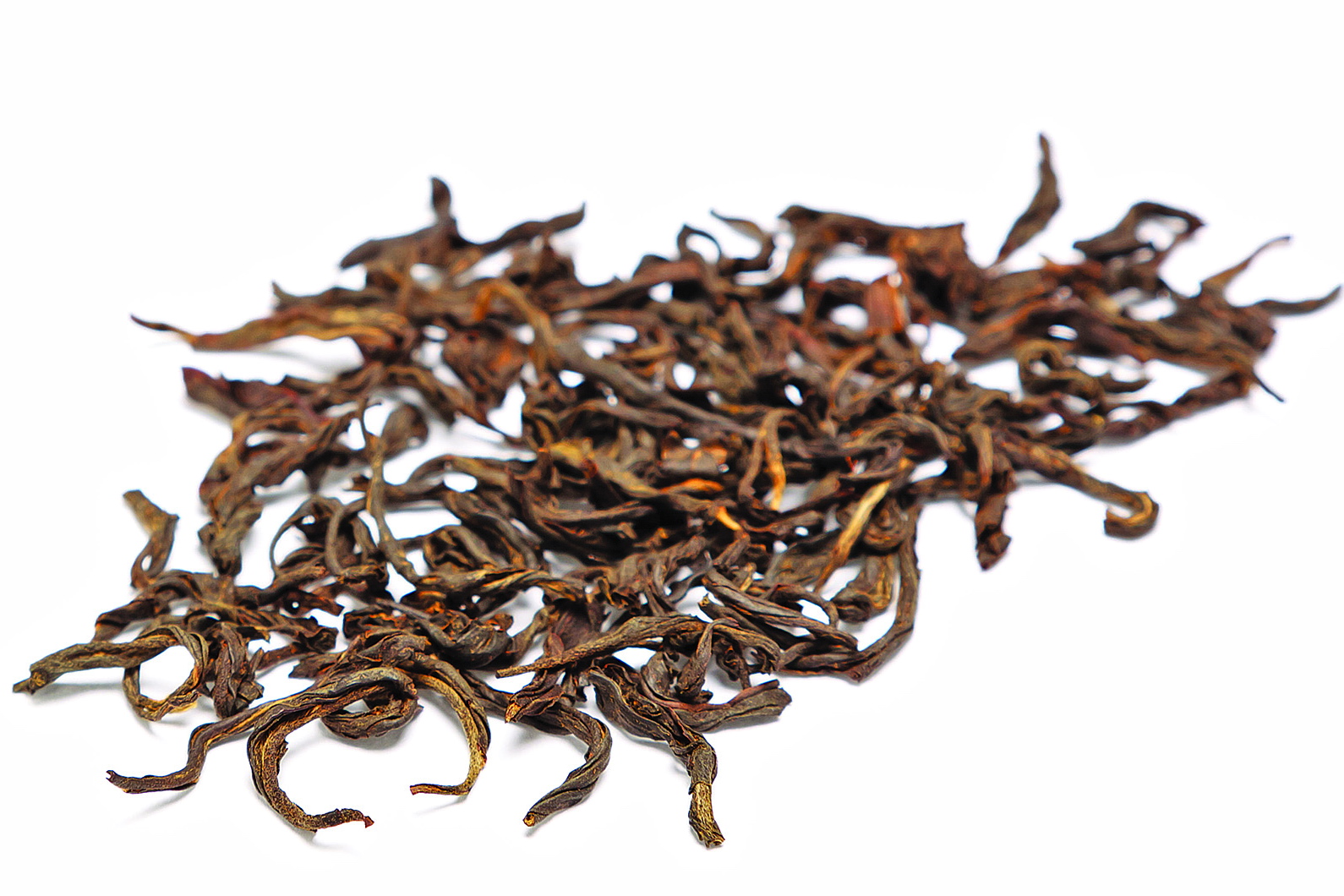

The flavour of ‘black’ tea has been familiar to many of us since childhood. In Chinese classification, however, it is called red tea. The Western name became established through British tea culture, which introduced its own traditions of drinking and preparing the beverage.
These included adding milk, honey and other ingredients. Britain initially bought tea from China, then expanded cultivation in colonial India. Chinese production methods were complex and often preserved within families, while different soils and climates gave Indian teas a character of their own. Milk, sugar and lemon became familiar additions in Western tea drinking.
‘Fine tea has its own delicate flavour and aroma,’ explains Chinese medicine practitioner Igor Sukharevsky in the original article. ‘You may find floral or fruity notes, dried fruit, vanilla or honey. It does not need additions.’
Many people find ordinary bagged tea less enjoyable without sugar or mint. Small, heavily processed particles can produce a darker, more bitter cup than carefully made whole-leaf tea. Tea bags also made it economical to use smaller fragments and tea dust. Traditional whole-leaf teas offer a different experience, with oxidation, drying and, in some varieties, smoking creating their individual character.
Chinese tea continues to be made using traditional hand-processing methods, alongside modern production. In contrast, the CTC process — Crush, Tear, Curl — was developed for rapid mechanised manufacture and became widely used in India during the twentieth century. William McKercher introduced this method in the 1930s. It produces large quantities of small, uniform tea particles, a different approach from the careful handling of intact leaves.
Tea bags are commonly associated with the American merchant Thomas Sullivan and made it convenient to use smaller leaf pieces. Mass demand and the drive to reduce costs helped make machine-processed bagged tea widespread in the West. It differs markedly from the traditional whole-leaf teas explored in this collection.
The company iTea, which has supplied Chinese tea to Israel for more than ten years, offers black tea varieties including Yunnan and Lapsang Souchong. Lapsang Souchong is one of the world’s best-known smoked teas. A traditional account attributes its creation to an accidental delay: thick mountain fog caused a piled harvest to change more quickly than expected. Rather than discard it, workers dried the leaves over pinewood smoke. Alongside its distinctive smoky, woody character, attentive drinkers may notice ginger, pear and caramel-like notes. The tea is often associated with Winston Churchill, who was said to enjoy it. Older accounts also make claims about memory, skin ageing and stress, but these are not a basis for using tea as treatment for depression or other medical conditions. Explore the iTea website for more information about Chinese teas.