
Green tea is a minimally processed Chinese tea valued for its fresh flavour and naturally occurring compounds, including catechins such as EGCG. Early heating — sha qing, or ‘kill-green’ — arrests oxidation and preserves the character of the leaf. Hot green tea also has a long tradition as a summer drink. This article explores its processing, the stories behind Longjing and iTea’s approach to transporting and storing fresh tea. Historical health claims mentioned in the original should not be read as guarantees of medical benefit.
Tea in the summer heat: why hot green tea can feel refreshing
A good cup of tea is comforting on a cold winter evening. Less familiar to many of us is the custom of enjoying a warm cup during the heat of summer.
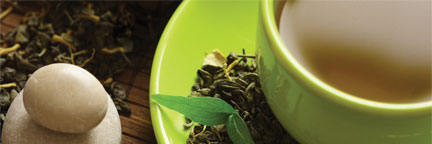
This custom is well known in China and Central Asia, where hot green tea has long been enjoyed in desert regions. A warm drink can stimulate sweating, and evaporation may help cool the body when conditions allow the sweat to evaporate. Its effect depends on the surrounding temperature, humidity, clothing and individual circumstances; tea is not a substitute for adequate hydration and protection from heat.
‘Kill-green’: stopping oxidation and preserving the leaf’s character
Green tea undergoes very little oxidation. Soon after picking, the leaves are heated to stop enzymatic oxidation, a traditional process Chinese tea makers call ‘kill-green’ (sha qing, 杀青).
This helps preserve the green colour of the fresh leaf and the lively notes of grasses, flowers and spring freshness in its flavour and aroma. Like white tea, green tea undergoes relatively few processing stages, retaining many naturally occurring leaf compounds.
Tea and heart-health research: understanding a historical claim
Green tea contains polyphenols and other compounds that have attracted considerable scientific interest.
The original article refers to a five-year study discussed by the American Heart Association and describes an association between tea drinking and survival after a heart attack:
- It quotes a 44% lower risk among tea drinkers consuming roughly two cups a day. This figure should not be interpreted as proof that green tea prevents a second heart attack or as a treatment recommendation.
Research has also explored tea in relation to ageing, blood vessels, blood pressure, cancer and eye health. These topics require careful interpretation: an association or laboratory result is not proof that drinking tea prevents or treats a disease. Enjoy green tea as a beverage, rather than as a replacement for medical care.
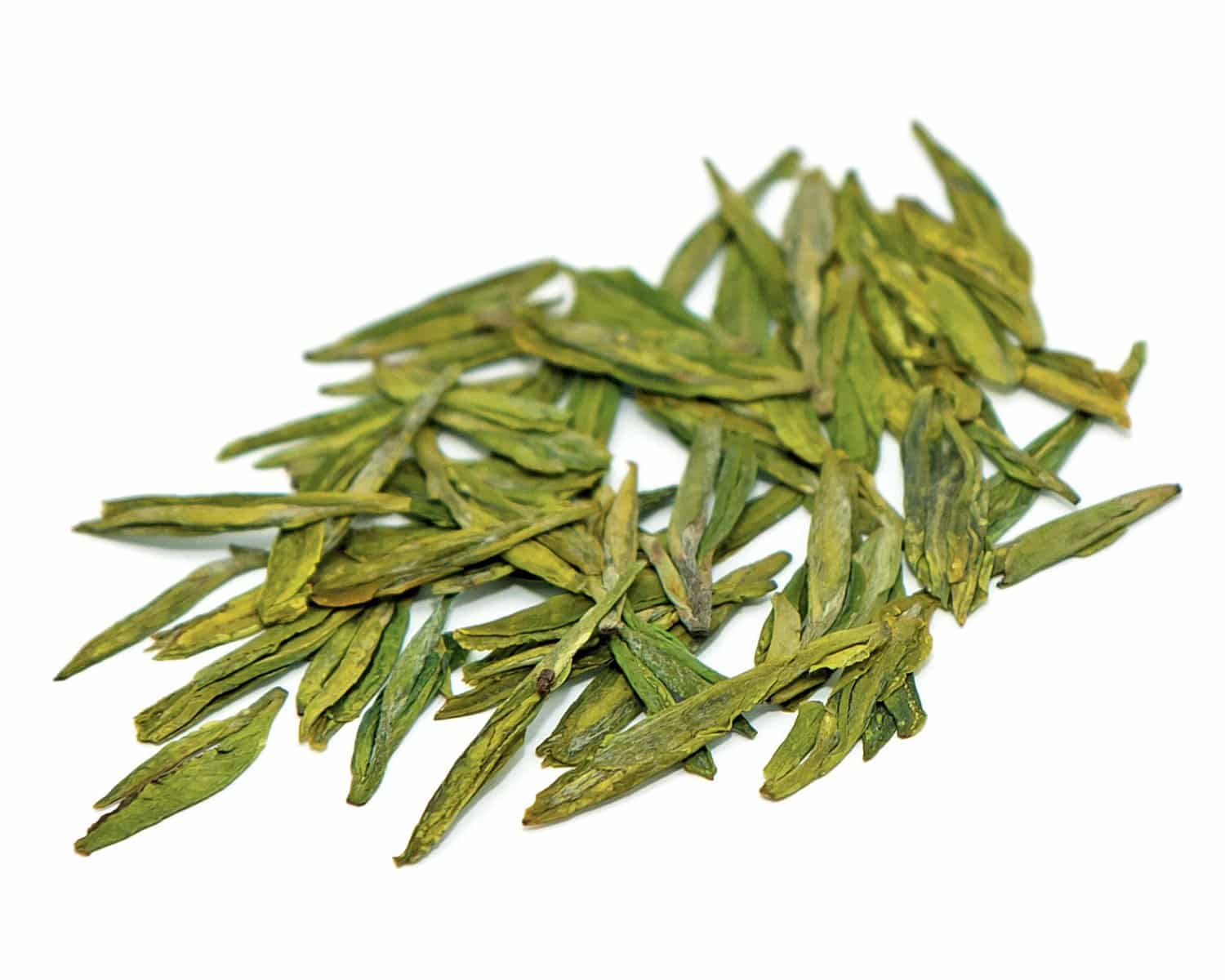
Longjing, the ‘king of green teas’: Dragon Well by West Lake
For more than ten years, iTea has supplied quality Chinese tea to Israel. Green tea enthusiasts can explore Bi Luo Chun, Mao Feng, fragrant jasmine Mo Li and the legendary Longjing (龙井茶), often called the ‘king of green teas’.
Longjing means ‘Dragon Well’. The name comes from an old village near scenic West Lake in Hangzhou, where tea has been grown for over a thousand years. The village well’s mineral-rich water created unusual reflections: when rain disturbed its surface, the patterns reminded local people of a sacred water dragon. The well was revered, and in dry years villagers came to ask the dragon for rain. The village and its tea took their names from it.
The Qianlong emperor’s legend: eighteen bushes and imperial tribute tea
According to tradition, the Qing emperor Hongli, known by his reign title Qianlong (1711–1799), visited West Lake during a tour of southern China. At a temple in Longjing village, beside eighteen tea bushes, he was offered a cup from the fresh spring harvest.
Delighted by its refined flavour and sweet aftertaste, the emperor granted the eighteen bushes an honorary title. The finest Longjing became associated with gong cha (贡茶), tea presented as tribute to the imperial court.
A hundred thousand buds in a kilogram: the value of hand-picking
Fine Chinese green teas are still picked and carefully processed by hand using traditional techniques.
A kilogram of select Longjing may contain around a hundred thousand small leaves and buds. The painstaking work and short early-spring picking season help explain the value placed on this tea.
Keeping tea fresh: iTea’s air transport and storage
Even the finest tea can be damaged by careless transport or poor storage. Green tea is especially sensitive to heat, light and moisture.
Long sea journeys and extended storage can expose tea to conditions that reduce its freshness. Heat and moisture during transport may affect its colour, aroma and natural compounds, especially when packaging and handling are unsuitable.
iTea describes its approach as transporting fresh Chinese harvests by air and keeping them under professional storage conditions. Direct air transport, combined with careful handling, is intended to preserve the freshness and distinctive flavour of the spring leaf.